
Valerian Counselling
Counselling & Psychotherapy in Marple, Stockport and the High Peak
Counselling
Building a bridge, in my opinion, is a symbolic gesture, linked with the needs of the people who cross over it , and with the idea of overcoming or surmounting obstacles.
(Santiago Calatrava)
Therapies offered
The type of counselling you seek or choose should reflect your needs at that time but, if your circumstances or needs change, it may be necessary to review or reconsider the type of counselling that is most appropriate for you.
I will always try to be flexible and responsive to your needs and preferences
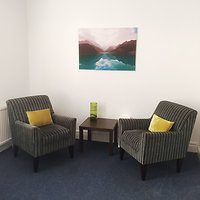
One-to-one counselling
In one-to-one counselling sessions, a client can explore various aspects of their life and feelings, talking about them freely and openly with someone who will listen attentively, patiently and without judgement. I offer a relationship based on unconditional acceptance and respect that is without agenda and may not be possible with friends or family.
The one-to-one counselling process is very much a two-person activity; only by establishing a level of mutual trust and respect will you feel comfortable enough to look at intimate aspects of your life, relationships and inner self which you may not have previously considered or even been prepared to face. I will not give direct advice or instruction but rather seek to enable possible choice or change for you. As we explore your feelings and thoughts about your present difficulties, both in the context of past experiences and hopes for the future, you will hopefully begin to identify possible options for resolution or accomodation.
Cognitive behaviour therapy (CBT)
CBT (Cognitive Behavioural Therapy) is has become one of the most widely used forms of talking therapy. It is recommended by the National Institute for Health and Care Excellence (NICE) and has been shown to be as effective as medication for many common mental health issues, such as depression and anxiety.
Unlike some other therapies, which may be rooted in past events and experiences, CBT is more focussed on the present and how current concerns can relate to the future. CBT is very structured and solution-focussed (rather than insight-based) and looks at realistic ways for resolving problems. It is particularly helpful for those with specific (rather than more complex) mental health problems viz. mood disorders, (anxiety, depression, anger issues), phobias, & addictions for example.
You will be expected to take a proactive role within your treatment by completing tasks at home between sessions; while the sessions offer support and space to explore your concerns, it is the work you do outside of your sessions that can have the most impact. By staying focussed and completing homework tasks, you will hopefully start to develop a stronger sense of self-confidence and self-belief, helping yourself to progress more quickly.
I have received training in the use of the so-called "Third Wave" CBT approaches include Acceptance & Commitment Therapy (ACT), Compassion Focussed Therapy (CFT) and Dialectical Behaviour Therapy (DBT), all of which include an element of Mindfulness within their process.
Working with addictions
Addictions usually fall in to one of two categories – substance addictions (e.g. alcohol, prescription or ‘recreational’ drugs, tobacco) or process addictions (e.g. gambling, sex, internet gaming, shopping). They are all characterised by similar behavioural features i.e.
- Failure to abstain from or give up the activity, despite repeated attempts.
- Continuing with the activity regardless of negative consequences in terms of health, finances and social interaction i.e. out of control
- Development of tolerance to effects of activity and needing to increase intensity or frequency to achieve desired effect.
- Withdrawal from the activity leading to mood-related symptoms (e.g. bad temper, poor focus and depression) and/or physical symptoms (e.g. insomnia, trembling, sweating, constipation or diarrhoea)
- Avoiding usual activities & responsibilities (family, work, social occasions) in order to pursue the addiction, often in secret.
- Preoccupation with maintaining the opportunities to continue with the activity, even if it means taking risks with health, finances or the law.
Addiction is a disorder of the brain’s reward, motivation and memory circuitry; brain scans show that the associated structures in the brains of addicts have characteristically physical differences to those of non-addicts. Addictions usually develop as a coping strategy to escape or numb underlying unhappiness or pain. Therapy seeks not only to identify the contributory factors in the development of addictive behaviours but also to establish alternative less damaging ways of coping and patterns of behaviour.
Compulsive sexual behaviours
(also often referred to as sex addictions)
Having a high libido (sexual drive) and wanting frequent sexual activity is not inherently problematic. Sex is a natural and enjoyable activity, but sexual behaviour or activity that is compulsive and ‘out of control’, may become a serious problem. Difficulty in curtailing or even restricting the urge to "act out" sexual behaviour(s) is frequently an indicator of being "out of control", pursued regardless of potential negative outcomes in terms of relationships, family, employment, health, finances or legal consequences.
Behaviours that may be indicative of problematic sexual behaviours include:- compulsive masturbation, visiting or meeting with sex workers, having unsafe sex, sexual exhibitionism, multiple one-night stands and sexual partners, voyeurism, sexual harassment, cybersex, and, in extreme cases, sexual assault or abuse. Depression, anxiety, shame and even suicidal thoughts can be consequences of these behaviours. Sadly, resorting to their sexual compulsions becomes the primary coping mechanism for avoiding or numbing these difficult feelings, so a circle of repetitive behaviour develops.
A key factor in the development of any addiction or compulsive behaviour is opportunity to access the source of the addiction - the incidence of compulsive sexual behaviours has increased exponentially due to the easily accessible material and opportunities for sexual interaction or activity afforded via the internet.
Problematic pornography use (PPU) is one of the most prevalent forms of compulsive sexual disorders. The criteria for the description "Problematic” relate to both the frequency and the duration of the usage. Whilst the content of some pornographic material is proscribed by law (and liable to prosecution), deemed unacceptable in a range of social, religious or cultural contexts, the viewing of online pornography by adults and performed by consenting adults is widespread. The access to pornographic material by juveniles is a particular cause for concern, potentially leading to unrealistic or unhealthy attitudes to sexual activities.
Sex addiction can be devastating to the lives of those affected, particularly for spouses or partners of addicts. Sex between a couple is an expression of intimacy and mutual trust, so the idea that a partner could be a sex addict without their knowledge can seem like a profound betrayal, no less so than the discovery of infidelity.
Other consequences of a sex addiction can include the risk of sexually transmitted diseases or unwanted pregnancies, financial difficulties from spending money on sex workers or sex chat lines and neglecting work or social responsibilities in favour of participating in the sexual behaviour(s) to which they are addicted. As with any other addiction or compulsive behaviour, victims need support and a genuine desire to change in order to recover - without the appropriate support from a therapist, the addiction or behaviour will often become progressively worse.
You need to be aware that seeking novel or riskier types of behaviour in the pursuit of heightened levels of sexual stimulation can lead to activities that are illegal and likely to lead to criminal prosecution.
©2022 Rory Mescall
powered by WebHealer
Brabyns Park Iron Bridge image is courtesy of Grace's Guide and is shared in its original format
under the Creative Commons Attribution-ShareAlike License.